
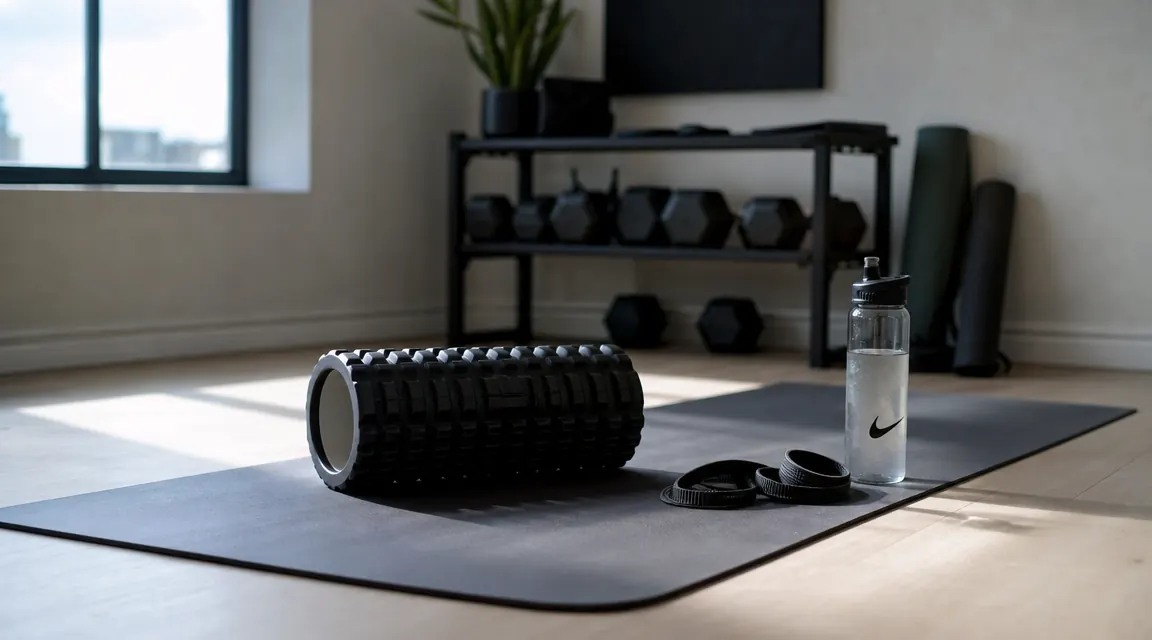
I have been a recovery coach and personal trainer for eleven years. In that time I have watched hundreds of people buy foam rollers, use them wrong for two weeks, and quietly put them under the bed. I have also watched a smaller group of people build a consistent rolling practice that genuinely changed how fast they recover between training sessions. The difference between those two groups almost always comes down to whether they had the right roller for where they were in their training life, and whether they had realistic expectations going in.
The TriggerPoint GRID 1.0 is the foam roller I recommend more than any other. I have owned four different rollers and recommended the GRID to clients ranging from first-time gym members to masters-level runners. But I am going to tell you the things most foam rolling enthusiasts skip over, because this product has a specific ideal buyer, and if you are not that buyer, you will either waste $40 or you will buy it, have a bad experience, and give up on foam rolling altogether. Neither outcome serves you.
The Quick Verdict
The best foam roller for intermediate athletes with existing body awareness. Wrong first choice for beginners, and not aggressive enough for advanced athletes with dense tissue.
Amazon Check Today's Price →If you already know how to foam roll and want a tool that actually finds the knots, the GRID is the one.
4.7 stars across 31,000-plus verified Amazon reviews. Check today's price before your next training session.
Amazon Check Today's Price on Amazon →The Pain Problem Nobody Warns You About
Foam rolling feels bad. That is not a design flaw, it is the point. When you roll over a myofascial adhesion, your nervous system registers it as a threat and the muscle tightens reflexively. Working through that requires breath control, patience, and at least a baseline level of body awareness. Most beginners have none of those things yet, and the GRID's multi-density surface texture makes the sensation more intense than a smooth roller, not less.
I have seen this go wrong many times. A client buys the GRID because they read a review saying it is the best. They try to use it on their IT band on day one. The IT band is one of the most sensitive rolling targets in the body. The combination of dense lateral tissue and the GRID's surface variation makes that first session feel somewhere between uncomfortable and actively alarming. They stop. They tell their gym friends foam rolling is painful and useless. The tool was fine. The entry point was wrong.
The honest answer is that the GRID is not a beginner roller. If you have never foam rolled before, I recommend starting with a smooth, medium-density roller for four to six weeks. Get your nervous system used to sustained pressure on soft tissue before you add surface variation. Once rolling feels uncomfortable-but-productive rather than just uncomfortable, switch to the GRID and you will immediately understand what the design is doing.
What the Multi-Density Surface Is Actually For
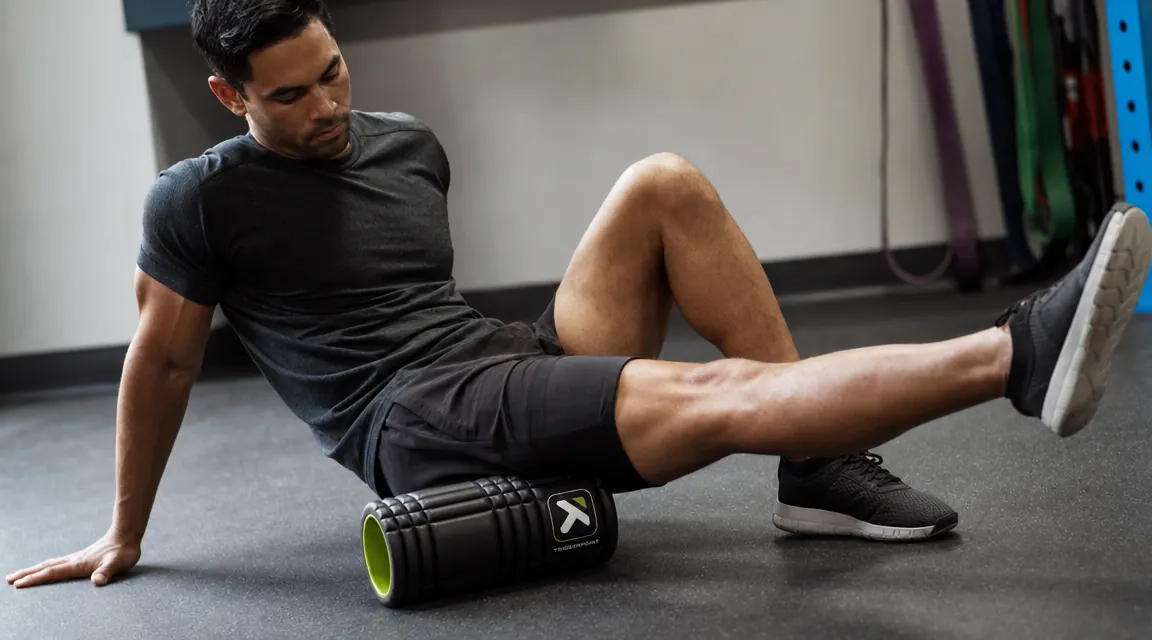
The GRID's surface has distinct zones with different compression profiles. When you pause on a trigger point, the surface variation creates shear at the tissue interface rather than just vertical compression. Think about the difference between pressing your palm flat against a muscle and pressing with your knuckle. The GRID does the knuckle version. For a muscle that has been chronically overloaded and has developed adhesions, that shear motion is what breaks the adhesion down. Uniform pressure just pushes the tissue down without mobilizing it.
This is most apparent in three places: the quad above the knee, the calf-Achilles junction, and the upper trapezius if you position the roller behind your shoulder blades while seated. Those are high-adhesion zones for anyone training consistently, and the GRID does genuinely different work there than a smooth roller. I have clients who describe it as feeling like someone is actually working on them rather than them just lying on a cylinder.
What the GRID does not do is replace actual depth. The surface variation adds precision, but it does not increase the maximum pressure the roller can deliver. If your tissue is very dense, from years of heavy training or from being a larger-framed athlete, you may find that even with full body weight through one leg, the GRID does not get into the tissue the way a firmer, denser tool would. That is a real limitation, and I will address what to do about it in a moment.
The Pressure Ceiling Problem for Advanced Athletes
The GRID 1.0 is what TriggerPoint calls medium firmness. For most people, that is plenty. For athletes who have been training four or more days a week for three or more years, or anyone who does a lot of heavy compound lifting, it may not be enough to get past the first layer of tissue. You are essentially pressing a moderate-density foam surface against muscle groups that have adapted to substantial mechanical load. The tissue wins.
I am 165 lbs and I can get deep tissue work from the GRID 1.0 by stacking my feet to increase the load through one quad or by using a wall-assisted position for the calves. A 210-lb lifter with three years of squats and deadlifts behind them may need to do the same thing on day one just to feel the roller at all. That is not a dealbreaker, but it is something the enthusiast reviews skip because they tend to be written by people who are either not very large or not very trained.
If you are in that advanced category, look at the TriggerPoint GRID 2.0 instead, which runs firmer, or add a lacrosse ball to your kit for truly pinpoint work on smaller areas like the piriformis, the plantar fascia, and the lateral hip. The GRID 1.0 and a lacrosse ball together cover almost every recovery scenario. The GRID 1.0 alone covers most people, but not everyone.
The surface variation adds precision. It does not add depth. If your tissue is dense from years of heavy training, you may need to modify your position just to feel the roller working. That is worth knowing before you buy.
Technique Gaps That Make the GRID Look Like It Is Not Working
The most common complaint I hear from people who bought the GRID and got minimal results is that they rolled too fast. They spent 15 seconds sweeping each muscle group, felt some mild discomfort, and concluded it was not doing anything. That is like saying a massage therapist is not helping because they moved their hands across your back once. Effective foam rolling requires pausing on tender spots for 20 to 30 seconds, breathing slowly through the discomfort, and letting the tissue gradually release rather than bracing against the sensation.
The GRID rewards this approach more than a smooth roller does because the surface variation gives you clear feedback about where the dense spots are. When you find a zone that changes sensation as you roll across it, that is the adhesion. Stop there. Breathe. Let your weight settle in. That is what the tool is designed for, and no amount of multi-density surface texture helps you if you are sweeping past the problem area at 30 seconds per muscle.
Rolling frequency also matters more than rolling duration in a single session. Ten minutes three times a week produces better results than a 30-minute session once a week. The tissue needs regular input, not occasional intensive sessions. Most people do it backwards, which is why foam rolling has a reputation for not working. The GRID does not fix technique problems, but it does make good technique noticeably more effective.
Comparing the GRID to the Tools People Buy Instead
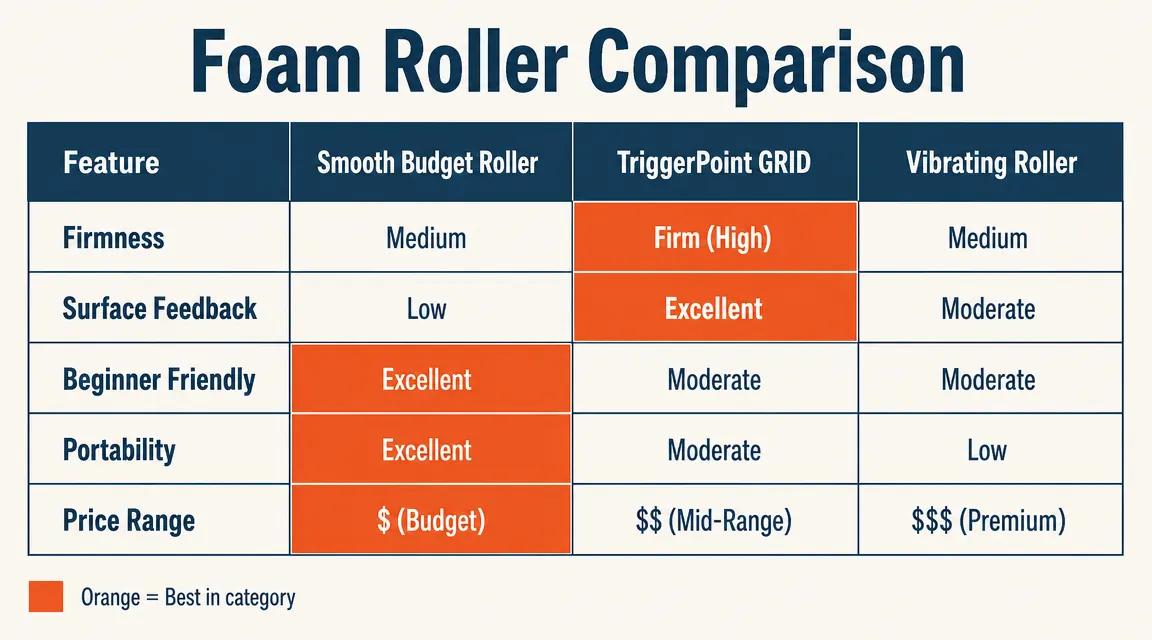
Vibrating foam rollers are the most common alternative I see clients consider. They use mechanical vibration to trigger muscle relaxation, which can be useful for very dense tissue or for people who find static pressure intolerable. The downside is that they are significantly heavier, run out of battery, and in my experience produce surface-level relaxation rather than the tissue-level release you get from learning to breathe through sustained pressure. They are easier, but easier is not always better for recovery work. The GRID does harder, better work if you are willing to do the technique correctly.
Budget rollers at $12 to $18 compress within months of regular use and lose the ability to deliver consistent pressure. A roller that has deformed into an oval is not doing uniform myofascial work, it is just wobbling under you. The GRID's rigid hollow core eliminates that problem entirely. Three years of regular use and mine has not deformed at all. At the same frequency, a solid foam roller would have been in the recycling bin long ago.
Massage sticks and handheld rollers are a useful complement to the GRID, particularly for calves and arms where you need two hands to control the tool. But they do not replace a floor roller for large muscle groups like the quad, hamstring, and IT band, where body weight is part of how you control pressure depth. The GRID does that work better than any handheld tool I have used. If you want a full comparison of what you are trading away by staying with a budget roller, I covered the specifics in the TriggerPoint GRID vs plain foam roller breakdown.
What I Liked
- Multi-density surface creates real shear at tissue adhesions, not just uniform compression
- Hollow rigid core holds its shape indefinitely. No oval deformation like solid foam rollers develop
- Rewards and amplifies correct technique, making good form noticeably more effective
- Compact 13-inch size fits in any gym bag and clears airport security without a second look
- 4.7 stars across 31,000-plus Amazon reviews. Long-term owner satisfaction is high
- Works exceptionally well for IT band, quad, upper traps, and thoracic spine mobility
Where It Falls Short
- Wrong first roller for beginners. Surface texture intensifies the experience before tissue tolerance is built
- Medium firmness reaches a pressure ceiling for large-framed or heavily conditioned athletes
- Results depend heavily on technique. Fast sweeping movements will leave you feeling like you wasted your money
- Higher price than budget alternatives, which matters if you are not yet sure foam rolling will stick as a habit
The Portability Question
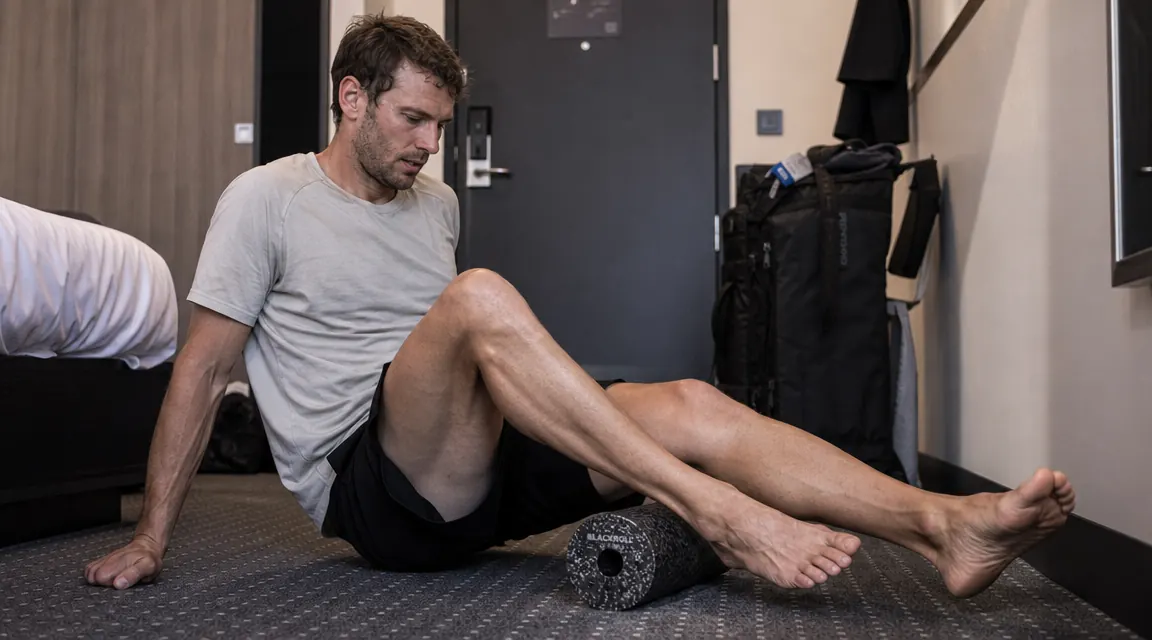
The 13-inch GRID is the size to buy if you travel. I have carried mine in a carry-on roller bag at least forty times in three years. It fits diagonally in most luggage side pockets, passes through airport security in the bin without a second glance, and weighs just under one pound. I have used it on hotel room floors, on outdoor track surfaces, and once on an airport gate carpet between connections. That flexibility is not nothing for anyone whose training does not stop when they travel.
TriggerPoint also makes a 26-inch version that covers more of your back in a single pass. That size is better for home use where you can leave it out permanently, but it will not fit in a standard bag and it adds meaningfully to carry-on weight. My recommendation is the 13-inch for most people, and the 26-inch only if home upper back work is the primary use case and you already own a 13-inch for everything else. The full technique breakdown for post-leg-day rolling is covered in the long-term TriggerPoint GRID review, including what muscle-by-muscle results look like over eight months.
Who This Is For
The TriggerPoint GRID 1.0 is the right call if you have been training consistently for at least six months, you have some existing experience with foam rolling and know roughly how to position your body, and you are looking for more than the vague soreness reduction a smooth roller provides. It is particularly well suited for runners dealing with IT band tightness, lifters with recurring quad or hip flexor tension, and anyone who sits at a desk most of the day and carries their stress in their upper traps and thoracic spine. If that description fits you, this tool will produce noticeably better results than what you are using now.
Who Should Skip It
Skip the GRID if you have never foam rolled and are not sure whether you will stick with it. Buy a $15 smooth roller first, build the habit, and come back. Skip it if you are a serious competitive athlete over 200 lbs with dense, well-conditioned tissue and you need maximum pressure, not maximum precision. And skip it if you are the kind of buyer who will do one fast sweep per muscle group, feel nothing useful, and blame the tool. The GRID rewards people who do the technique correctly and punishes people who do not. That is not a criticism of the product. It is just an honest read of how this particular tool performs in the real world.
The GRID has outlasted four of my clients' budget rollers and still feels the same as day one. If you are ready to actually do the work, it is the right tool for it.
Over 31,000 Amazon reviews and a 4.7-star average. Check today's price and see how it fits into your recovery budget.
Amazon Check Today's Price on Amazon →