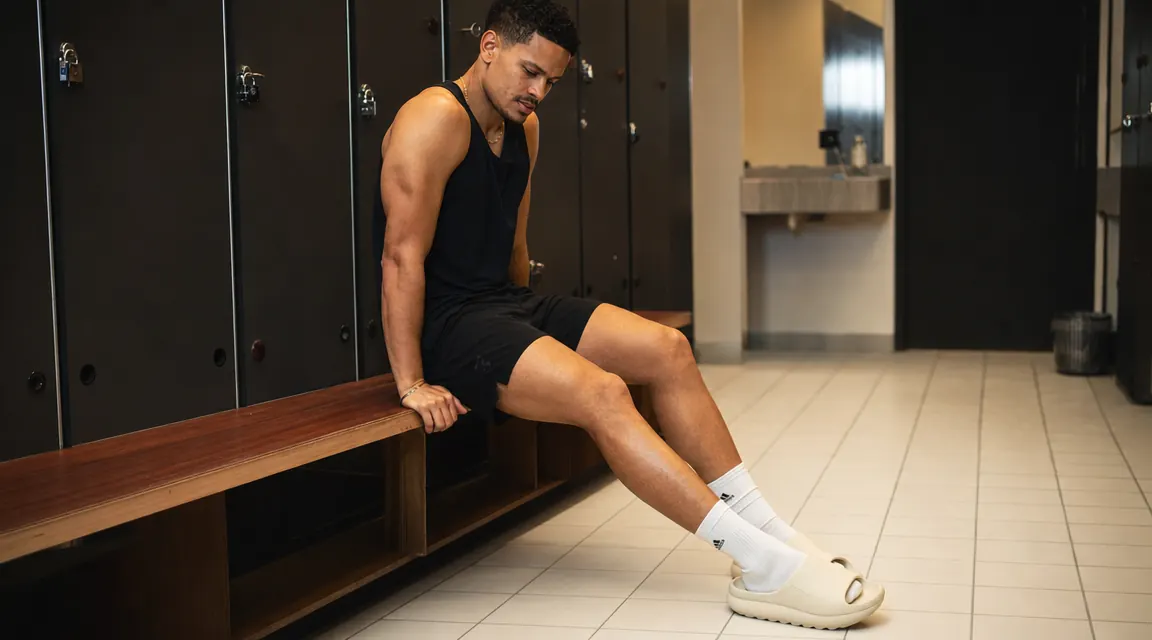
Most serious gym-goers spend real money on training shoes, lifting belts, and compression gear. Then they finish a hard session, peel off their workout shoes, and shuffle to the car in flat flip-flops or socks on concrete. That hour after training is when your feet are most inflamed, your plantar fascia is tight, and your calves are still pumped. What you put on your feet in that window matters more than most people realize.
Recovery sandals are engineered specifically for that post-workout window. The OOFOS OOriginal has become the go-to option for runners, lifters, and anyone who trains hard and feels it the next morning. With a 4.6-star rating from over 25,000 verified buyers, the pattern is clear: people who try them rarely go back to regular slides. Here are 10 concrete reasons why.
Your feet took a beating today. Give them the right surface to recover on.
The OOFOS OOriginal uses closed-cell foam that absorbs 37% more impact than standard foam sandals. It is the sandal sports podiatrists most often recommend for post-workout and plantar fasciitis recovery.
Amazon Check Today's Price on Amazon →They Absorb Impact Your Joints Are Still Feeling
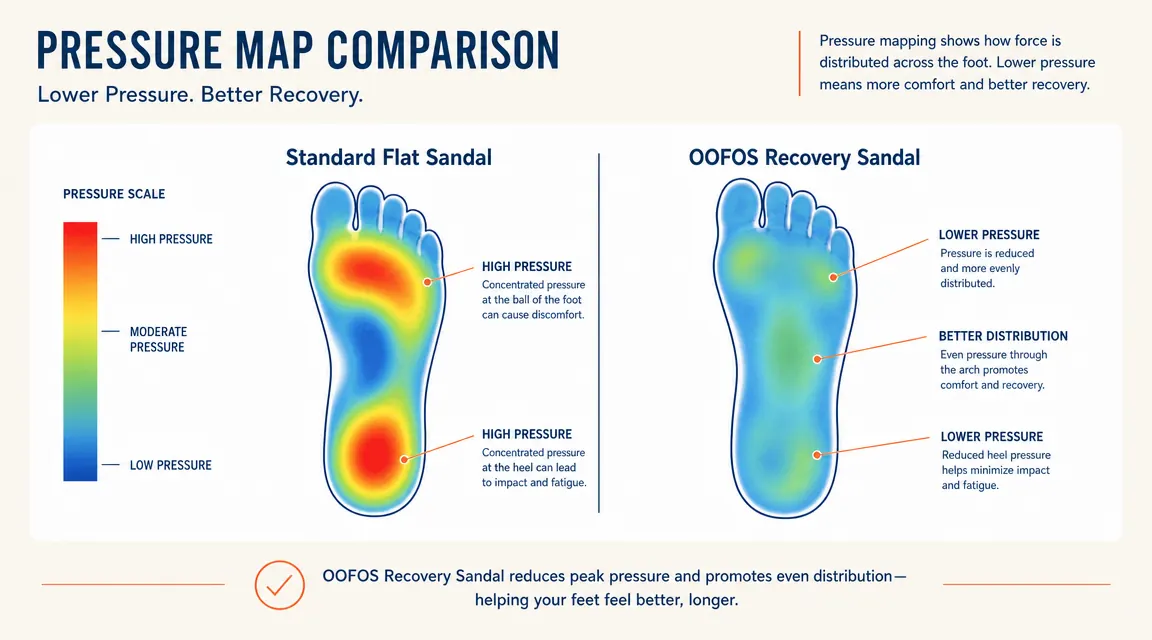
Post-workout, your joints have already absorbed thousands of repetitive loads during training. Walking on hard floors in flat shoes piles more impact onto tissue that is already inflamed. The OOfoam in OOFOS is a closed-cell foam compound that absorbs 37% more impact energy than standard EVA foam. That reduction translates directly to less plantar pressure during the recovery window, when your fascia and heel pad most need the break.
The Arch Support Offloads Your Plantar Fascia
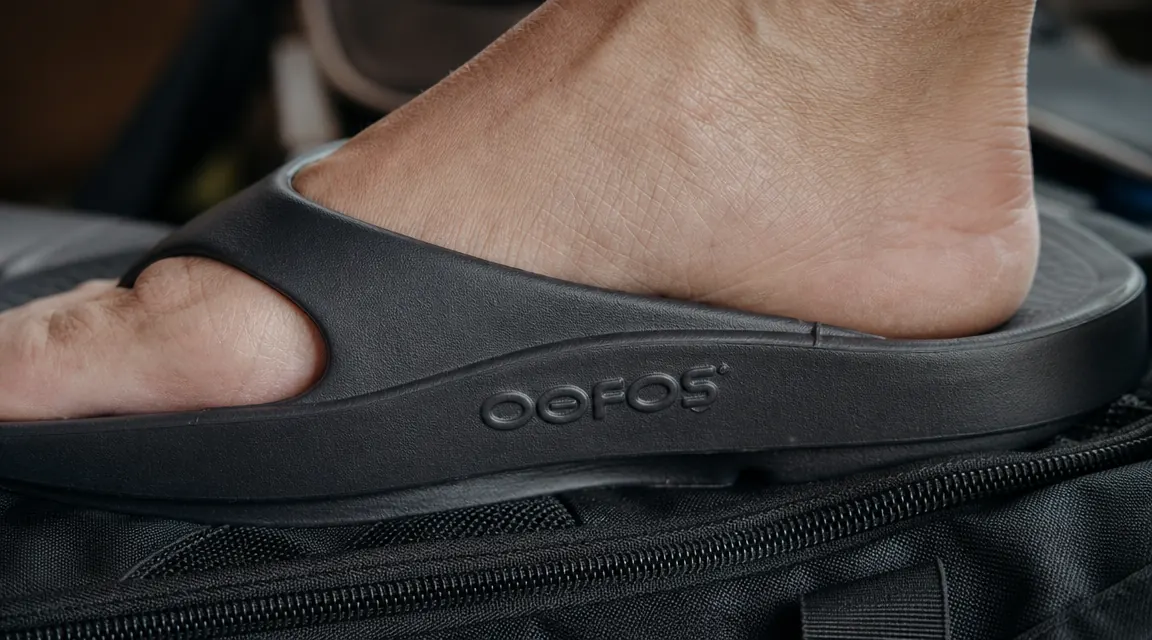
Flat sandals and bare feet force your plantar fascia to do all the arch-support work on its own. After a leg session or a long run, that is the last thing it needs. The OOFOS footbed has a contoured arch shape that cradles the mid-foot and transfers load to the heel and ball, reducing the pull on plantar fascia tissue by a measurable amount. If you have ever noticed that flat flip-flops make post-run soreness worse the next morning, this is the mechanical reason why.
Reduced Ground Reaction Force Means Less Calf Fatigue
Every step on a hard surface sends a ground reaction force up through your heel, ankle, and calf. When your calves are already fatigued from a run or a squat session, those repeated micro-shocks slow the recovery process. Thick, energy-absorbing foam breaks that chain. OOFOS owners who train legs two or three times a week consistently report that calf soreness peaks lower and clears faster when they wear recovery sandals in the hours after training. That is not placebo. The reduction in mechanical stress is real.
They Encourage a Natural Foot Flex Without Restrictive Support
Standard recovery or orthotic footwear sometimes locks the foot in a rigid position. The OOFOS design does the opposite: the footbed contours to your foot shape while allowing a full range of toe and arch flex. That freedom of movement keeps the small muscles of the foot gently active during your recovery walk rather than completely passive, which supports circulation without adding strain. Think of it as light active recovery for your feet rather than complete immobilization.
Lower-Leg Muscle Tension Drops Almost Immediately
The combination of heel cushioning and arch support changes the angle at which your ankle sits, which in turn reduces the resting tension in your Achilles and soleus. Most people feel this within the first five minutes of wearing OOFOS after a hard workout: the tight, slightly strained feeling in the back of the lower leg softens noticeably. This is one of the reasons the sandal has become standard issue in the locker rooms of many collegiate and professional athletic programs.
They Work for Post-Workout Errands, Not Just Locker Rooms
A lot of recovery tools require you to sit still: ice baths, elevation, compression boots. OOFOS travels with you. Grocery store run, dog walk, standing in the kitchen making a post-workout meal. Every step you take in the hours after training is a step you are either loading your feet correctly or loading them poorly. OOFOS turns a normal afternoon into passive foot recovery without any extra time commitment. That compounding effect across training days adds up faster than most people expect.
They Can Reduce the Severity of Plantar Fasciitis Flare-Ups
Plantar fasciitis tends to flare worst in the morning and after long periods on hard surfaces. The mechanism is straightforward: the fascia tightens during rest, then gets a sudden load shock on first contact with the floor. Wearing OOFOS as your first-thing-in-the-morning and post-workout shoe reduces that load shock significantly. Many users who have dealt with recurring plantar fasciitis report that switching their recovery footwear was the single intervention that finally broke the flare-up cycle, even when stretching and rolling alone had not.
The Rocker Sole Shape Reduces Stress on the Forefoot
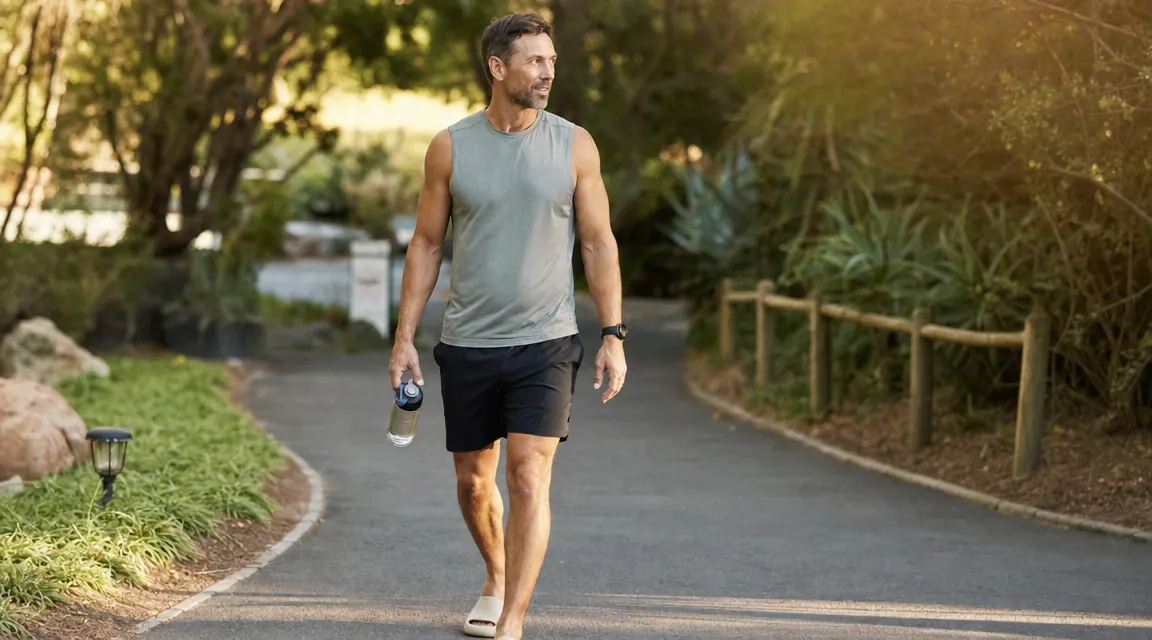
The OOFOS OOriginal has a subtle rocker profile at the toe. That curve guides your foot through a smooth heel-to-toe roll without requiring your forefoot to push aggressively off the ground. After a run where you have pushed off thousands of times, or a squat session where the ball of your foot was under load, this passive assistance is exactly what you want. Your metatarsals get a genuine mechanical rest while you walk around normally.
They Last Long Enough to Justify the Cost
Budget slides compress and lose their cushioning within a few months of regular use. Once the foam flattens, you are walking on a thin plastic shell with no recovery benefit at all. The OOfoam compound in OOFOS holds its rebound properties considerably longer. Most heavy users report 18 to 24 months of daily post-workout use before they notice meaningful compression loss. Over a two-year period, the cost per use works out to less than most people spend on protein bars in a week.
They Signal to Your Nervous System That Recovery Has Started
This one sounds soft but there is real physiology behind it. Tactile feedback from footwear changes your gait and posture, which changes your nervous system state. Slipping on thick, cushioned recovery sandals after a workout is a physical cue that your body recognizes as a transition from effort to rest. Athletes who build consistent post-workout rituals recover faster not just from the physical tools they use, but because the ritual itself reduces cortisol and signals safe-to-repair to the body. OOFOS becomes part of that ritual in a way a generic flip-flop never will.
What I'd Skip
Standard foam flip-flops from any big-box store. They look similar. The price is much lower. But the foam compound is not the same and the arch support is essentially nonexistent. Within two months of daily use, the footbed compresses flat and you are walking on a thin slab of foam that provides zero impact absorption. I have watched people buy cheap slides post-workout and wonder why their plantar fasciitis never improves. The footwear is usually part of the answer. If you are going to invest in any single recovery tool for your feet, it should not be the cheapest option on the shelf.
If you want a deeper look at how OOFOS holds up over a full year of daily post-run use, including what the foam feels like at month six versus month twelve, read the full long-term review. And if foot fatigue after long runs is your main issue, the practical recovery guide covers footwear alongside five other techniques that stack well with recovery sandals.
The hour after training is when your feet are most inflamed, your plantar fascia is still tight, and your calves are pumped. What you put on your feet in that window matters more than most people realize.
If your feet still ache hours after training, this is the simplest fix you have not tried yet.
The OOFOS OOriginal is rated 4.6 stars by more than 25,000 buyers and is available in multiple widths and colors. It is the recovery sandal most often mentioned by runners, lifters, and sports physios when post-workout foot soreness is the complaint.
Amazon Check Today's Price on Amazon →